Gentle exfoliation
Removes accumulated dead skin cells from the skin’s surface.

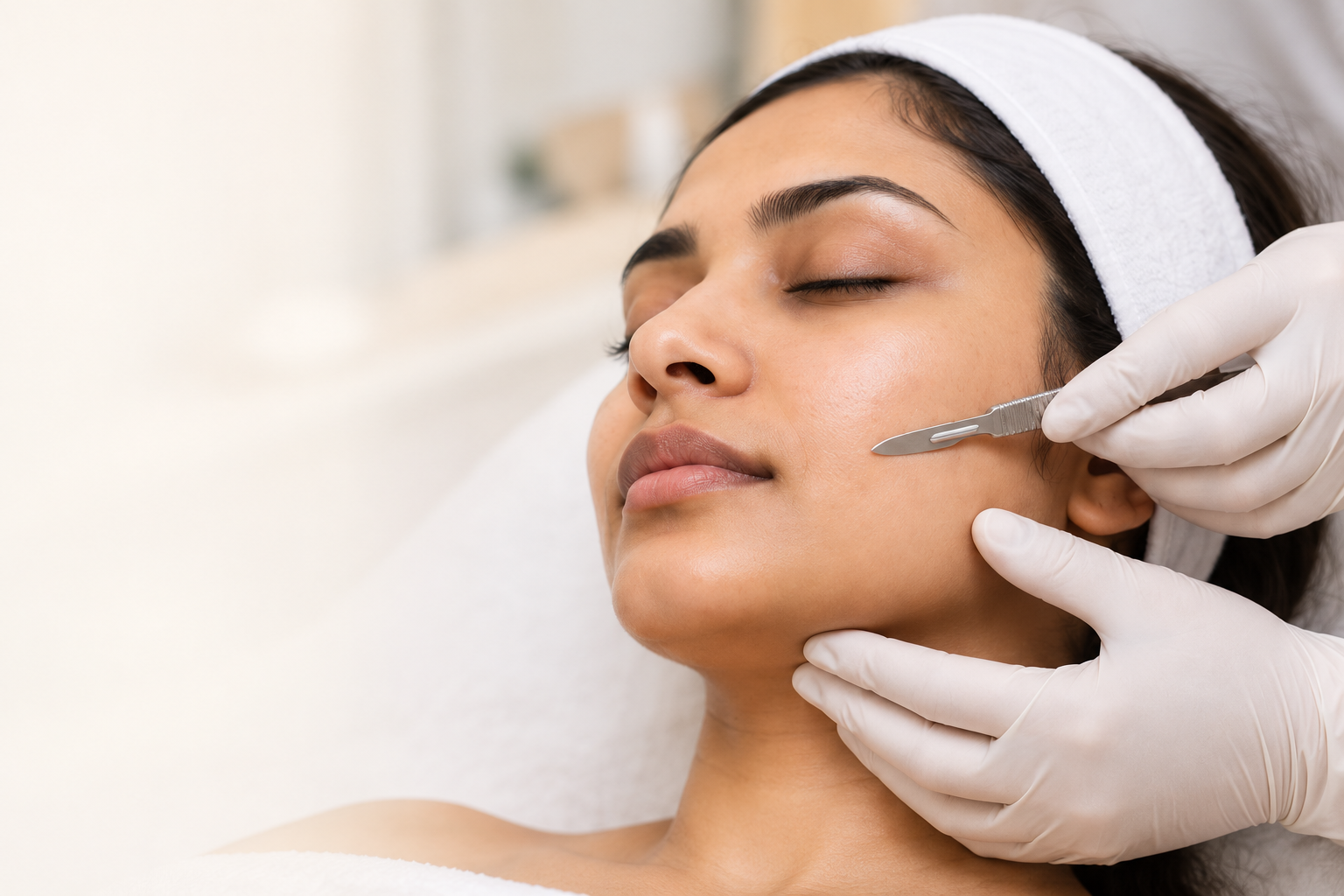
Gentle Exfoliation. Smoother Skin. Fresh Radiance.
Dermaplaning is a non-invasive skin exfoliation treatment that uses a sterile, medical-grade blade to gently remove dead skin cells and fine facial hair, often called peach fuzz. This treatment helps improve skin smoothness, enhances radiance, and creates a softer, more refined skin texture.
Removes accumulated dead skin cells from the skin’s surface.
Helps leave the skin feeling softer and looking more refined.
Promotes a fresher, brighter-looking complexion.
Creates a smoother surface for more even makeup application.
May help topical skincare products spread more evenly across the skin.
Removes fine facial hair for a smoother skin finish.
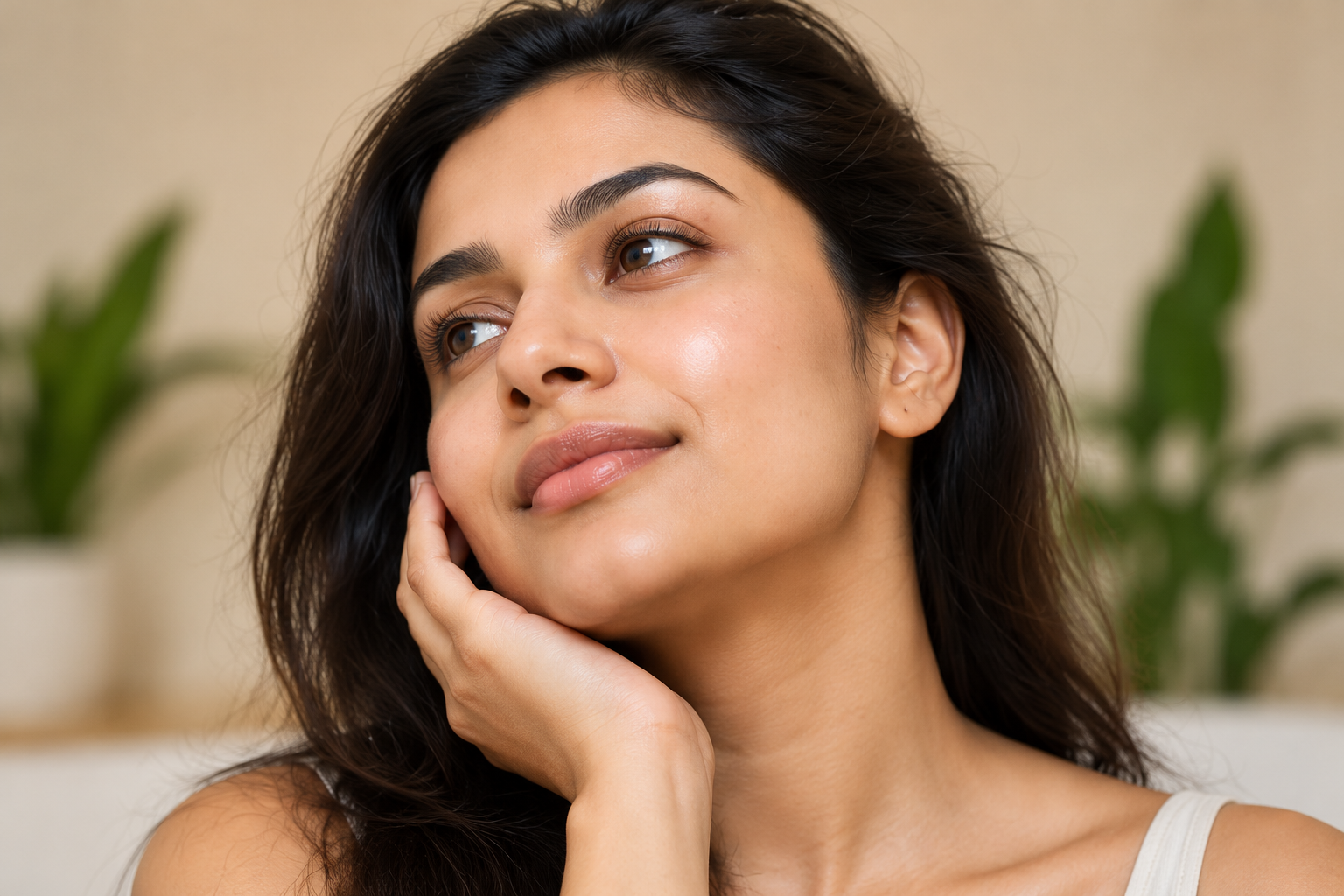
Dermaplaning may be suitable for individuals who want to improve dullness, surface roughness, and the appearance of fine facial hair.
It may be considered for:
Your skin is evaluated to identify your concerns, sensitivity, and suitability for the procedure.
The skin is gently cleansed and prepared for treatment.
A trained professional uses a sterile, single-use blade to carefully remove dead surface skin cells and fine facial hair.
Suitable moisturising and calming products are applied to support skin comfort.
Broad-spectrum sunscreen is applied, and post-treatment skincare guidance is provided.
Dermaplaning generally involves minimal downtime. After treatment, your skin may appear smoother and feel softer. Temporary redness or sensitivity can occur.
Dermaplaning is not suitable for everyone. It may need to be avoided or postponed in cases of active acne, inflamed skin, skin infections, open wounds, or certain skin conditions. Individuals prone to post-inflammatory hyperpigmentation should receive an appropriate skin assessment before treatment.
Dermaplaning removes fine facial hair; it does not make hair grow back thicker or darker. However, the regrowing hair may temporarily feel blunt to the touch.
Dr. Nitika Yadav Skin & Hair Clinic
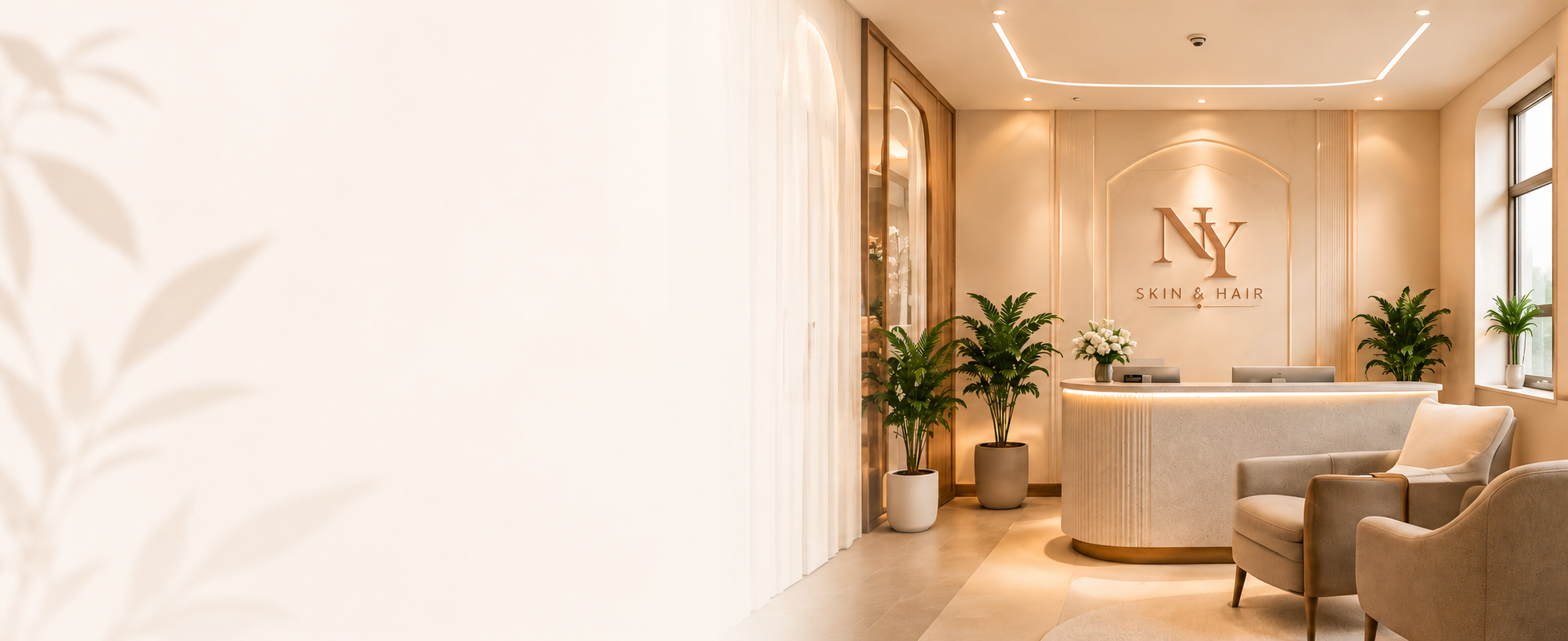
Skin & Hair Clinic · Sector 65, Gurugram
The procedure is generally comfortable and does not usually require anaesthesia.
No. Dermaplaning does not change the thickness, colour, or growth rate of your hair.
A session typically takes around 20–40 minutes, depending on the treatment plan.
Treatment frequency depends on your skin condition and recovery. Your practitioner can recommend an appropriate interval, commonly around 3–4 weeks.
It may improve superficial smoothness, but it does not treat deep acne scars or underlying pigmentation disorders. Other dermatologist-recommended treatments may be more appropriate.